If you've ever needed to replace a wheel, buy new tires, or verify that a set of rims will actually fit your car, you know how frustrating it is to hunt down accurate specs across different websites and forums. A Mazda 3 factory wheel specs printable PDF chart solves that problem by putting every critical measurement bolt pattern, offset, hub bore, and wheel size in one place you can print out and keep in your glovebox or garage. Having this reference on hand saves time, prevents costly mistakes, and gives you confidence when you're at the tire shop or browsing used wheels online.
What's actually included in a Mazda 3 factory wheel specs chart?
A proper factory wheel specs chart lists the original equipment (OE) wheel specifications that Mazda designed for each model year of the Mazda 3. These details matter because they determine whether a wheel physically fits your car and whether it performs safely under driving conditions.
A typical chart covers these measurements:
- Wheel size diameter and width (e.g., 16×6.5, 18×7.0)
- Bolt pattern the number of lugs and the circle diameter (e.g., 5×114.3)
- Offset (ET) how far the mounting surface sits from the wheel's centerline
- Hub bore the center hole diameter that seats onto the hub
- Stock tire size the tire Mazda paired with that wheel from the factory
- Lug nut thread size and torque spec
Having all of this in a single printable layout means you're not switching between browser tabs or second-guessing numbers you found on a random forum post.
Why would someone need a printable version instead of just looking it up online?
There are a few very practical reasons you'd want this chart printed rather than bookmarked:
- At the junkyard or salvage yard. Cell service is often spotty, and you need to verify wheel compatibility on the spot before buying a set of used rims.
- At a tire shop. Some shops don't have detailed specs for every generation of the Mazda 3. Handing them a printed sheet avoids miscommunication.
- When buying wheels online. Private sellers on marketplace apps don't always list accurate specs. Your printed chart lets you double-check what they claim.
- In your garage during installation. Having the torque spec and offset right next to you while you're wrenching is much easier than reaching for your phone with greasy hands.
What are the factory wheel specs for each Mazda 3 generation?
Here's a general breakdown of what Mazda shipped from the factory. Keep in mind that trim levels and optional packages could change the wheel size within the same model year.
First generation (2004–2009)
- Bolt pattern: 5×114.3
- Hub bore: 67.1 mm
- Common wheel sizes: 15×6.0, 16×6.5, 17×7.0
- Offset range: ET 50–52
- Lug nut size: M12×1.5
If you're working with a 2005 model specifically, our detailed breakdown of what size rims fit a 2005 Mazda 3 with stock offset and hub bore covers that year's exact measurements.
Second generation (2010–2013)
- Bolt pattern: 5×114.3
- Hub bore: 67.1 mm
- Common wheel sizes: 16×6.5, 17×7.0, 18×7.0
- Offset range: ET 50–52
- Lug nut size: M12×1.5
Third generation (2014–2018)
- Bolt pattern: 5×114.3
- Hub bore: 67.1 mm
- Common wheel sizes: 16×6.5, 18×7.0
- Offset range: ET 45–50
- Lug nut size: M12×1.5
Fourth generation (2019–present)
- Bolt pattern: 5×114.3
- Hub bore: 67.1 mm
- Common wheel sizes: 16×6.5, 18×7.0
- Offset range: ET 45–50
- Lug nut size: M12×1.5
The bolt pattern and hub bore have stayed consistent across all four generations, which is good news it means a wider range of compatible wheels. But the offset and available widths have shifted, so you still need to check your specific year.
For a deeper look at how bolt pattern and offset work together, see our Mazda 3 wheel fitment guide that covers these details in depth.
What do the numbers on the chart actually mean?
If you're not used to reading wheel specs, the numbers can look like a foreign language. Here's a plain-language breakdown:
- 16×6.5 The wheel is 16 inches in diameter and 6.5 inches wide.
- 5×114.3 There are 5 lug nuts, and they sit on a circle with a 114.3 mm diameter.
- ET 50 The mounting surface is 50 mm toward the outside of the wheel from its centerline. A higher number means the wheel sits further inward (closer to the suspension). A lower number pushes it outward.
- 67.1 mm hub bore The center hole is 67.1 mm across. The wheel must match this or use hub-centric rings to adapt.
- M12×1.5 The lug bolts are 12 mm in diameter with a 1.5 mm thread pitch.
What mistakes do people make when using wheel spec charts?
These are the errors that cost people money or create safety problems:
- Ignoring offset. Two wheels can have the same bolt pattern and diameter but wildly different offsets. The wrong offset can cause rubbing against the fender or inner suspension components.
- Confusing hub bore with bolt pattern. They're separate measurements. A wheel can have the right bolt pattern but a larger hub bore, which means it won't center properly without rings.
- Assuming all years are identical. While the Mazda 3 has been consistent, trim-specific options (like the Mazdaspeed 3) had different specs. Always verify your exact trim and year.
- Not checking torque specs. The printable chart should include the lug nut torque value (typically 80–108 ft-lbs depending on generation). Over- or under-torquing lug nuts is a real safety risk.
- Only looking at diameter. Wheel width matters just as much for tire fitment. A tire rated for a 6.5-inch-wide wheel won't seat properly on an 8-inch-wide wheel.
Can I put different-sized wheels on my Mazda 3 if the bolt pattern matches?
Technically, yes but with limits. The bolt pattern being correct is just the starting point. You also need the offset to fall within a workable range (usually within ±5 mm of stock) and the overall diameter to stay close to the original. Going more than 3% larger or smaller in overall diameter can affect your speedometer reading, ABS function, and transmission behavior.
A good rule of thumb: if you move up one inch in wheel diameter (say from 16 to 17), drop the tire's sidewall height proportionally to keep the overall diameter nearly the same. This is called a "plus-one" setup.
Where can I download the actual printable PDF chart?
You can access and print the full Mazda 3 factory wheel specs chart directly from our site. It's laid out for easy reading on a standard letter-size page and covers all four generations with their respective trims. Print it, fold it up, and keep it where you'll actually use it.
When formatting your own reference documents at home, using a clean typeface like Calibri keeps numbers legible and reduces misreading measurements at a glance.
Quick checklist before you buy or swap wheels
- ✔ Confirm your exact model year and trim level
- ✔ Match the bolt pattern (5×114.3 for all Mazda 3 generations)
- ✔ Verify the hub bore (67.1 mm) or get hub-centric rings
- ✔ Check that the offset is within ±5 mm of your stock spec
- ✔ Calculate the overall diameter and stay within 3% of factory size
- ✔ Use the correct lug nut torque spec from the chart
- ✔ Print your specs chart and bring it with you when shopping in person
 Mazda 3 Stock Rim Size, Wheel Offset, and Hub Bore Fitment Guide
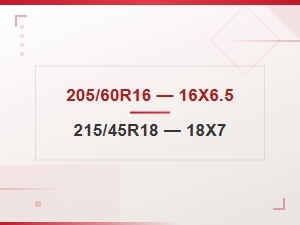 Mazda 3 Stock Tire Size and Rim Specifications by Year
 Mazda 3 Wheel Fitment Guide: Bolt Pattern, Offset & Rim Specs by Year
 Mazda 3 Sedan vs Hatchback Oem Tire Size and Wheel Fitment Guide
 Choosing the Right Tire Size for Your Mazda3
 Mazda3 Factory Tire Size Guide: Maintenance Tips for Proper Fit