Shopping for new wheels on a Mazda 3 sounds exciting until you realize that one wrong spec can mean wheels that won't bolt on, rub against your fenders, or damage your suspension. Understanding the Mazda 3 wheel fitment guide bolt pattern offset details before you buy saves you money, time, and headaches. Whether you're upgrading to a set of aftermarket rims or just replacing a damaged wheel, getting the numbers right matters more than how the wheel looks in a photo.
What Is the Mazda 3 Bolt Pattern?
The bolt pattern (also called lug pattern) describes the number of lug holes and the diameter of the circle they form. Every Mazda 3 from 2004 onward uses a 5x114.3 bolt pattern. That means five lug nuts arranged on a circle measuring 114.3 millimeters across. This hasn't changed between generations, so wheels from a 2010 Mazda 3 will physically bolt onto a 2024 model and vice versa.
If you're unsure about the factory specs on your specific year, we put together a printable PDF chart with all the OEM wheel specs you can keep in your glovebox or on your phone.
Why does the bolt pattern matter so much?
A wheel with the wrong bolt pattern simply won't mount. You can't force it, and adapters introduce their own risks. The 5x114.3 pattern is shared with many brands Honda, Toyota, Nissan, Hyundai so plenty of wheels in junkyards and on marketplace listings may physically appear compatible. Always confirm the pattern before purchasing.
What Offset Works on a Mazda 3?
Offset is the distance, in millimeters, between the wheel's mounting surface and its centerline. It determines how far the wheel sits inward or outward relative to the fender. The Mazda 3's stock offset ranges from about +45mm to +52mm depending on the generation and trim level.
- Positive offset means the mounting surface is toward the outer (street) face of the wheel. Most Mazda 3 factory wheels sit around +50mm.
- Lower positive offset (like +35mm or +40mm) pushes the wheel outward, giving a wider stance but increasing the risk of fender rubbing.
- Higher offset (like +55mm) tucks the wheel further inward, which can cause clearance issues with brake calipers or suspension components.
What happens if I pick the wrong offset?
An offset that's too low for your setup causes the tire to poke past the fender, leading to rubbing during turns or over bumps. Too high, and the inner rim can contact the strut or brake caliper. Both situations are more than cosmetic they affect handling and safety. A general safe range for most Mazda 3 owners is +40mm to +52mm, but wheel width plays a big role here too.
What About the Hub Bore Size?
The center bore (hub bore) is the hole in the middle of the wheel that centers it on the hub. The Mazda 3 uses a 67.1mm hub bore. This is important because the hub bore is what actually centers the wheel not the lug nuts. A wheel with a smaller bore won't fit over the hub. A wheel with a larger bore will need hubcentric rings to sit properly.
Without hubcentric rings on an oversized bore, the wheel relies solely on the lugs to center itself. This often causes vibration at highway speeds, uneven lug stress, and potential loosening over time. Hubcentric rings cost a few dollars and solve the problem cleanly.
What Rim Sizes Fit a Mazda 3?
Factory wheel sizes for the Mazda 3 vary by year and trim:
- First generation (2004–2009): 15x6, 16x6.5, or 17x7 inches
- Second generation (2010–2013): 16x6.5 or 17x7 inches
- Third generation (2014–2018): 16x6.5 or 18x7 inches
- Fourth generation (2019–present): 16x6.5 or 18x7 inches
You can safely go one to two inches larger in diameter than stock without major issues, but you'll need to adjust tire sidewall height to keep the overall diameter close to the original. This prevents your speedometer from reading incorrectly and avoids rubbing. If you want to see how tire sizes compare between sedan and hatchback body styles, check the sedan vs. hatchback tire size comparison.
Can I Use Wheels from Another Mazda or Another Brand?
Yes, but only if the specs match. Any wheel with a 5x114.3 bolt pattern, a 67.1mm or smaller center bore, and an offset in the +40 to +52 range will physically fit a Mazda 3. That includes wheels from the Mazda 6, CX-5, and CX-30 plus many Honda and Toyota models.
However, just because a wheel bolts on doesn't mean it's ideal. Width, spoke design (whether they clear the brake calipers), and weight all affect how the car drives. A heavier wheel adds unsprung mass, which dulls steering response and hurts ride quality. If you want a quick reference for stock tire and rim specs across all years, the complete stock tire and rim specs page has that covered.
What Are the Most Common Fitment Mistakes?
- Ignoring offset. People focus on diameter and bolt pattern but forget offset. A wheel with the right bolt pattern but +30mm offset will poke out aggressively and likely rub.
- Skipping hubcentric rings. Running non-hubcentric wheels without rings leads to vibration and uneven wear.
- Not checking brake caliper clearance. Aftermarket wheels with thicker spokes or a different spoke design can contact the caliper, especially on models with larger brakes.
- Using the wrong lug nuts. Factory Mazda lug nuts are flat-seat with a 12x1.5 thread. Aftermarket wheels sometimes require tapered (cone-seat) lugs. Using the wrong seat type means the wheel won't torque properly.
- Assuming all 5-lug wheels fit. A 5x100 pattern (used on older Subarus and VWs) is close in name but completely different in measurement.
Do Wheel Spacers Fix a Bad Offset?
Wheel spacers push the wheel outward, effectively lowering the offset. They can help achieve the look you want or clear suspension components, but they're not a fix-all. Spacers add stress to wheel bearings and lugs. If you use them, stick with hubcentric spacers in thin sizes (10–20mm) and re-torque the lugs after 50–100 miles. Thicker spacers (25mm+) change the suspension geometry noticeably and shorten bearing life.
Quick Fitment Specs Cheat Sheet for All Mazda 3 Generations
- Bolt pattern: 5x114.3
- Hub bore: 67.1mm
- Lug nut thread: M12x1.5
- Lug nut seat: Flat (shank-type for factory wheels)
- Stock offset range: +45mm to +52mm
- Safe aftermarket offset range: +40mm to +52mm
- Factory wheel widths: 6 to 7 inches
- Recommended tire sizes vary by wheel width match sidewall to diameter change
How Do I Measure Offset Myself?
If you've found a set of used wheels and the seller doesn't know the offset, you can measure it at home:
- Lay the wheel face-down on a flat surface.
- Measure the total width from the outer lip to the back of the mounting surface (the backspacing).
- Measure the overall width of the wheel from lip to lip.
- Subtract the backspacing from half the total width. The result is your offset in millimeters.
For example, if the wheel is 180mm wide (7 inches) and the backspacing is 140mm, then half the width is 90mm, and the offset is 140 minus 90, which equals +50mm. That's right in the sweet spot for a Mazda 3.
If the offset number is stamped on the wheel (often behind a spoke), look for a marking like ET48 or 7Jx17 ET50. "ET" stands for Einpresstiefe, the German word for offset, and the number after it is your measurement.
What does wheel width have to do with offset?
A wider wheel at the same offset pushes the outer lip further out. Going from a 7-inch to an 8-inch wheel at +50mm offset adds roughly 12.7mm (half an inch) of outward poke on each side. Keep this in mind when choosing wider wheels your fender clearance changes even when the offset number stays the same.
Will Lowered Mazda 3s Need Different Fitment?
Lowered cars have less room between the fender and the tire. If you've lowered your Mazda 3, stick closer to the stock offset range (+45 to +52mm) and avoid wide tires that extend past the rim's edge. Stretched tire setups (narrow tire on a wide rim) are popular in the stance community but reduce grip and can unseat the tire bead under hard cornering. If you're going lower than about 1.5 inches, expect to roll or pull your fenders for any wheel wider than 7.5 inches.
Practical Next Steps Before You Buy
- Look up your exact year and trim to confirm factory specs using our factory wheel specs chart.
- If buying aftermarket, ask the seller for bolt pattern, offset, width, and center bore before paying.
- Get hubcentric rings if the center bore is larger than 67.1mm.
- Buy the correct lug nut seat type for the wheel (flat vs. cone).
- Torque lug nuts to 80–108 ft-lbs (check your owner's manual for the exact spec for your year).
- After installation, test-drive at low speed first and re-torque after 50–100 miles.
Getting wheel fitment right the first time means your Mazda 3 drives the way it should smooth, responsive, and safe. Write down your specs, measure twice, and don't rush the purchase. A properly fitted set of wheels changes the whole feel of the car. And if you're the type who likes neat reference material, you might want to grab our printable spec sheet and keep it next to your Montserrat-styled garage checklist for easy access every time you shop for wheels.
 Mazda 3 Factory Wheel Specs Printable Pdf Chart
 Mazda 3 Stock Rim Size, Wheel Offset, and Hub Bore Fitment Guide
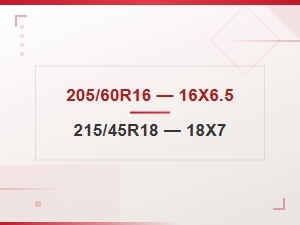 Mazda 3 Stock Tire Size and Rim Specifications by Year
 Mazda 3 Sedan vs Hatchback Oem Tire Size and Wheel Fitment Guide
 Choosing the Right Tire Size for Your Mazda3
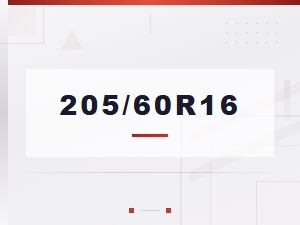 Mazda3 Factory Tire Size Guide: Maintenance Tips for Proper Fit