Driving a Mazda3 in winter without the right tires is a gamble most drivers don't realize they're making until they hit an icy patch. Picking the correct winter tire size for your Mazda3 isn't just about fitting rubber onto a rim it affects grip, braking distance, fuel economy, and how your car handles in snow, slush, and freezing rain. The wrong size can throw off your speedometer, stress your suspension, or even void parts of your warranty. This guide covers exactly what you need to know so you can choose confidently and stay safe when temperatures drop.
What winter tire size does a Mazda3 actually need?
The winter tire size for your Mazda3 depends on the model year, trim level, and whether you're running the standard setup or downsizing for winter. Here's a quick breakdown of common recommendations:
- 2019–2024 Mazda3 (Sedan & Hatchback): The OEM all-season size is typically 215/45R18. For winter, many owners downsize to 205/60R16 or 215/50R17 for better snow traction and a taller sidewall that absorbs pothole impacts.
- 2014–2018 Mazda3: Common factory sizes are 205/60R16 or 215/45R18 depending on trim. A popular winter setup is 205/60R16 on steel wheels.
- 2010–2013 Mazda3: Most trims came with 205/55R16. Sticking with that size for winter works well, or going to 195/65R15 if the brake caliper clearance allows it.
Your factory tire specifications are the starting point for any winter setup. Always confirm the exact year and trim before buying.
Why do Mazda3 owners downsize for winter tires?
Downsizing means fitting a smaller diameter wheel and a taller tire sidewall than your summer or all-season setup. For example, switching from 18-inch wheels with 215/45R18 tires to 16-inch wheels with 205/60R16 winter tires. Here's why this works:
- Better snow bite: A narrower tire (like 205 instead of 215) presses down on snow with more force per square inch, which improves grip.
- Taller sidewall absorbs impacts: Winter roads are rough. A 60-series sidewall cushions against potholes and ruts far better than a low-profile 45-series tire.
- Cheaper tire and wheel combo: 16-inch winter tires cost noticeably less than 18-inch ones. Steel wheels for winter are also cheaper than alloy.
If you're unsure how different sizes compare, this tire size comparison resource breaks down the differences clearly.
Can I use the same tire size year-round instead of getting winter tires?
You can, but all-season tires start losing grip below 7°C (45°F). The rubber compound in all-season tires hardens in cold weather, which reduces traction on cold, wet, and icy roads. Winter tires use a softer compound with silica and special tread patterns designed to stay flexible in freezing temperatures. The size question becomes important because if you run a performance-oriented tire size in summer, that same low-profile size on winter tires may not give you the best cold-weather experience.
What happens if I pick the wrong winter tire size?
Fitting the wrong size winter tires on your Mazda3 can cause real problems:
- Speedometer error: A significantly different overall diameter changes your speedometer and odometer readings.
- ABS and traction control issues: These systems rely on wheel speed sensors. Mismatched tire sizes can confuse them.
- Rubbing or clearance problems: A tire that's too wide or has too large a diameter can rub against the fender liner or suspension components.
- Poor handling balance: Mixing tire sizes front to rear without proper calculation can make the car understeer or oversteer unpredictably.
What are the most popular winter tire sizes for each Mazda3 generation?
Fourth generation (2019–present)
- 205/60R16 the most popular downsize for winter; fits most trims with compatible 16-inch wheels
- 215/50R17 a moderate downsize from the 18-inch OEM setup; good balance of comfort and handling
- 215/45R18 same as OEM; works but limits the benefits of winter downsizing
Third generation (2014–2018)
- 205/60R16 fits most trims; widely available and affordable
- 195/65R15 budget-friendly downsize; check brake clearance on higher trims
- 215/45R18 OEM size for GT trims; usable but not ideal for harsh winters
Second generation (2010–2013)
- 205/55R16 the standard size; a safe and reliable winter option
- 195/65R15 available on base trims; works well for winter with proper wheels
Should I buy separate wheels for my winter tires?
Yes, and most Mazda3 owners who drive in snowy climates do. Having a dedicated set of winter wheels and tires means you can swap them yourself in your driveway without visiting a tire shop every season. Steel wheels are the most common choice for winter they're durable, cheap, and if they get scraped by a curb hidden under snow, it's not a big deal. If you care about appearance, basic alloy winter wheels in 16-inch fitment are available at reasonable prices.
How much do winter tires for a Mazda3 cost?
For a set of four winter tires in a common Mazda3 size like 205/60R16, expect to pay roughly:
- Budget tier: $300–$400 for the set (brands like Nexen, Federal, or GT Radial)
- Mid-range: $400–$550 (Falken, Toyo, General, Cooper)
- Premium: $550–$800+ (Michelin X-Ice, Bridgestone Blizzak, Nokian Hakkapeliitta)
Add $200–$400 for a set of steel wheels if you want a dedicated winter setup. Over three to four winter seasons, a separate set of wheels and tires often costs less than paying for tire mounting and balancing twice a year.
What's the right tire pressure for winter tires on a Mazda3?
Check the sticker inside the driver's door jamb for the recommended pressure. For most Mazda3 models, it's 32–36 PSI. Cold weather drops tire pressure roughly 1 PSI for every 10°F drop in temperature. Check your pressure once a month during winter and top up as needed. Under-inflated winter tires wear faster, use more fuel, and don't grip as well.
Common mistakes Mazda3 owners make with winter tires
- Buying only two winter tires: Putting winter tires only on the front or rear axle creates a dangerous handling imbalance. Always install a full set of four.
- Waiting too long to install them: Winter tires work best when the average temperature drops below 7°C, not just when snow falls. Putting them on too late means you've already driven on hard, slick roads with compromised grip.
- Using winter tires past their lifespan: Most winter tires have a usable life of 4–6 seasons. After that, the compound hardens even if the tread looks okay.
- Ignoring speed ratings: Winter tires often have lower speed ratings than performance summer tires. This is normal and fine for winter driving just don't expect track-day performance from a winter tire.
- Forgetting to swap back in spring: Driving on winter tires in warm weather wears them out fast and reduces dry-road grip.
Pairing winter tires with good ongoing tire maintenance habits keeps your Mazda3 safe and extends the life of both your winter and summer sets.
Quick checklist before buying winter tires for your Mazda3
- Confirm your exact model year and trim level
- Check your current tire size on the door jamb sticker or existing tire sidewall
- Decide whether to downsize wheels (recommended) or run the same diameter
- Measure brake caliper clearance if going below 16-inch wheels
- Buy all four tires as a matched set
- Budget for TPMS sensors if using a separate wheel set (some Mazda3 model years require them)
- Schedule installation before the first freeze, not after
- Check tire pressure monthly through the winter season
Get this list right, and your Mazda3 will handle winter roads with confidence. If you want to explore how different setups stack up side by side, this comparison chart for Mazda3 tire sizes makes it easy to see what fits and what doesn't.
When choosing your winter tire branding and display materials, a clean typeface like Montserrat works well for readability.
 Choosing the Right Tire Size for Your Mazda3
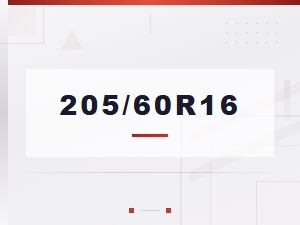 Mazda3 Factory Tire Size Guide: Maintenance Tips for Proper Fit
 Mazda3 Tire Maintenance Schedule and Care Tips Guide
 Mazda3 Best Performance Tire Size
 Mazda 3 Factory Wheel Specs Printable Pdf Chart
 Mazda 3 Stock Rim Size, Wheel Offset, and Hub Bore Fitment Guide